Want some more space at home? You’re not alone.
Whether it’s kids, in-laws, remote work, or just needing a space to call your own, many Indiana homeowners wish they had a little more wiggle room at home. But if you’re in the market for space, where do you begin? Especially with inflation and the real costs of expansion?
Well, in this article, we’re breaking down the ways you can expand your living space without the added expenses of moving—higher mortgage rates, transactional costs, or losing a beloved neighborhood—as well as the extra red tape of increasing your home’s footprint.
Because while our crews love building new homes and adding rooms to existing houses—and we really do—it isn’t always the right financial choice. So if you’re curious about how to get a home that feels much bigger than it is… without the extra hassle…
This one’s for you!
Read on to expand your horizons. ↓
To Expand My Footprint or Not to Expand My Footprint? That is the Question.
When adding functional living space to your home, you have two basic options:
- Additions that add to your home’s footprint
- And those that do not
Each path has its own benefits and setbacks. That being said, increasing living space without expanding your home’s footprint comes out on top for many Hoosier homeowners.
Here’s why:
- Cost: Expanding your home’s footprint is costly. Digging and concrete work is one of the most expensive aspects of renovating. Plus, there are the needed roof trusses, design work, and permitting—all of which add up.
- Permitting: Most municipalities have strict code laws stating how close your house can be to a neighbor's residence or the street. You also face restrictions on lot coverage, rainwater runoff, and building over utility lines.
- Yard Space: Expanding outward eats into backyard space—limiting play areas, gardens, patios, you name it. You may also need to contend with tree and landscape removal or HOA restrictions.
- Timeline: Excavation, framing, the weather, tying in new plumbing, HVAC, and mechanicals… All extend the period of time your home is an active construction site.
As you can see, home additions that increase your house’s footprint are a bigger investment—in time, design, and money. If you’re ready for that adventure—great!
However, if you’re looking for something a little less disruptive, check out the following options.
How Can I Add Living Space Without Expanding My Home’s Footprint?
When faced with the realities of expanding a home’s footprint, many Hoosiers opt to convert existing space into functional living areas, or build up rather than out.
A few ways homeowners increase space while avoiding footprint expansion:
- Finished Basements: Basements are the perfect spaces for converting into guest suites, home gyms, offices, or children's play areas.
- Converted Attics: If your ceiling and staircase access allow it, attics are prime real estate for quiet workspaces or private bedroom conversions.
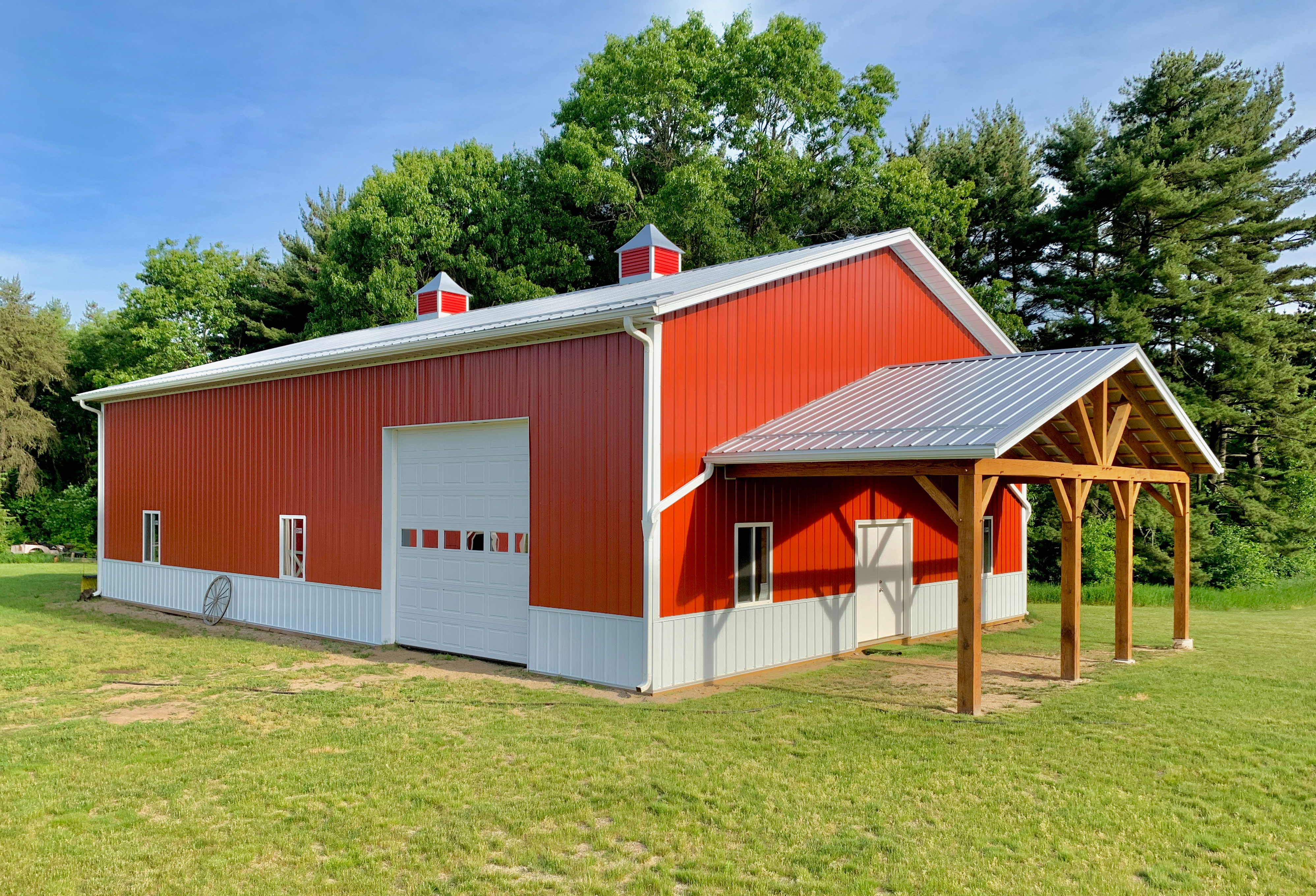
- Garage Studios: Garages are often transformed into guest studios, playrooms, or even detached living quarters for multi-generational living.
- Vertical Expansion: Adding a second story, loft, or mezzanine is often the best way to add significant square footage without increasing your home’s footprint.
- Remove Walls: Non-load-bearing walls can easily be removed to open up space between the kitchen, dining, and living rooms.
- Outdoor Upgrades: Turn existing covered porches or patios into fully insulated, weather-proof living areas or a home office.
- Creative Furniture: Another way to increase space without building at all—using Murphy beds, extendable tables, and ceiling-height cabinetry. (We prefer you build with us, but hey, just trying to help.)

Do I Need Permits When Performing Non-Footprint-Expanding Renovations?
Here in Indiana, permits are required for all building projects that involve structural framing, electrical wiring, plumbing, or HVAC modifications.
More specifically, you’ll need a permit for:
- Framing and Walls: New partitions or framing require a general residential building permit.
- Electrical: New circuits, outlets, recessed lighting, or service panel updates require an electrical permit.
- Plumbing: Installing a new bathroom, wet bar, or laundry drain all require a plumbing permit.
- Mechanical/HVAC: Extending ductwork (depending on local rules) or adding/altering heating and cooling requires a mechanical permit.
- Egress Windows: Cutting or enlarging a window opening to create a legal sleeping room requires a structural permit.
Now, if all this permitting seems like a lot, that’s because it is! However, it’s not something you need to worry about. Here’s why.
Any reputable contractor worth their salt will handle all of the permitting for you. So if you’re ready to get a quote on your home upgrades and additions, give us (New Horizon Builders) a call today!
How Do I Get Started Expanding My Living Space?
Ready to explore the potential of your home? Give New Horizon Builders a call today.
Located in Middlebury, Indiana, we’ve been serving Indiana homeowners in the Michiana area for over 20 years with everything from custom home builds to complete home remodels and creative home additions (think sunrooms, kitchen expansions, living quarters, etc.).
So don’t wait on the expansion you’ve been dreaming of—especially when initial consultations and quotes are absolutely free and zero pressure.
Ready to learn what it’ll take to expand your horizons?
Give us a call for your free quote today!
With over 20 years of experience and 300+ successful projects under our belt, New Horizon Builders has become a trusted builder for new homes of all types and sizes. And as much as our crews believe in quality work and care, what’s even more important to us is building lasting, trusting relationships with homeowners right here in our beloved Hoosier State.